
Call: +911141064374 08071724793
 Send Inquiry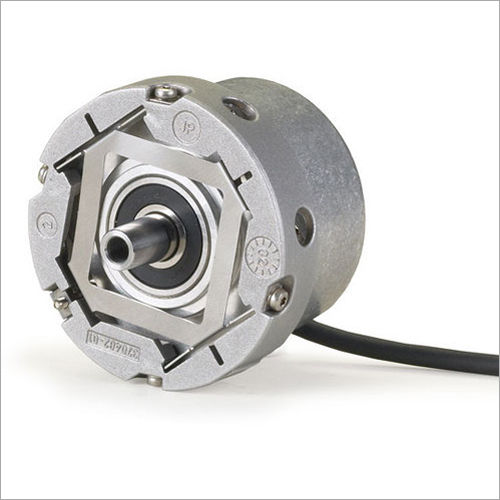
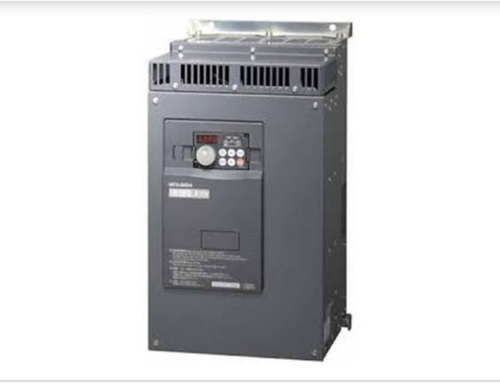
Rotary Encoder
10000.00 - 100000.00 INR
Product Details:
- Control System Digital
- Base Material Aluminum/Alloy
- Cooling System None (Passive)
- Current Rating 100 mA
- Thickness Approx. 25-35 mm
- Way Single-turn/Incremental
- Features High Precision, Durable, Easy to Install
- Click to view more
X
Rotary Encoder Price And Quantity
- 10000.00 - 100000.00 INR
- 1 Unit
Rotary Encoder Product Specifications
- Rotary Encoder
- Aluminum/Alloy
- Digital
- 100 mA
- None (Passive)
- 100 mA
- Approx. 25-35 mm
- Industrial Automation/Motor Position Sensing
- Single-turn/Incremental
- High Precision, Durable, Easy to Install
- 5-24 V DC
- Silver/Grey
- Aluminum/Plastic
- IP50/IP65 (depending on design)
- 100 mA
- IP50/IP65
- Metal Enclosure
- 0-100 kHz (output frequency)
- 5-24 V DC
- 500 V AC (typical)
- Matte/Brushed
- Class II
- Panel-Mount/Servo Mount
- 5-24 V DC
- Approx. 50 mm Diameter x 30 mm Length
- Rotary Shaft, Encoder Disk, Output Cable
- Lead Wire/Cable
- Aluminum/Metal Body
- IEC/Industry Standard
- Up to 50 m/s2 (10-2000 Hz)
- 1-2 meters (standard)
- -10C to +70C
- 100-2000 pulses/revolution (customizable)
- 500 V AC for 1 min
- Ball Bearing
- Line Driver, Open Collector, Push-Pull
- 35%-85% RH Non-condensing
- >100 M at 500 V DC
- Incremental (Standard), Absolute (Optional)
- 6 mm (typical)
- Flange/Servo Mount
- Up to 500 m/s2 (11 ms)
- -20C to +80C
- A/B Phase Pulse (TTL/HTL Compatible)
Rotary Encoder Trade Information
- Cash in Advance (CID)
- As per the order Received Per Month
- 1-2 Days
- All India
Product Description
We are a well known supplier of Encoder in the market. It is used for translating rotary or linear motion (mechanical movement) into a digital signal. Encoder is used for the purpose of monitoring or controlling motion parameters such as speed, rate, direction, distance or position. We strive to deliver this on time.
Robust Construction for Industrial Reliability
Engineered with an aluminum or alloy body and protected elements, this rotary encoder withstands rigorous conditions in automation environments. The ball bearing design, IP50/IP65 rating, and shock/vibration resistance up to 500 m/s2 ensure longevity and consistent operation, even during continuous use and high mechanical stress.
Flexible Output and Easy Integration
This encoder supports line driver, push-pull, and open collector outputs, compatible with TTL or HTL levels, making it adaptable to various control systems. With a 1-2 meter standard cable and options for panel or servo mounting, installation is straightforward, reducing system downtime and accelerating deployment.
FAQ's of Rotary Encoder:
Q: How does the rotary encoder generate position feedback?
A: The encoder uses an internal disk and sensor system to generate A/B phase pulses for incremental feedback. Optionally, it can provide absolute positioning. The output is compatible with digital control systems, relaying position data for precise motor or shaft movement monitoring.Q: What are the primary benefits of using this rotary encoder in industrial applications?
A: Key benefits include high resolution (100-2000 pulses/revolution), durable construction, reliable operation under harsh conditions, flexibility in output formats, and easy installation. These features ensure accuracy and efficient integration into automation systems.Q: When should I choose the absolute option instead of the standard incremental encoder?
A: Select the absolute option if your application requires precise position tracking after power loss or system reset. Absolute encoders retain exact position data, whereas incremental encoders only track movement from a reference point.Q: Where can this rotary encoder be installed and what mounting types are supported?
A: Designed for industrial use, it can be mounted in control cabinets, machine panels, or directly on servo systems. Both flange and servo mount options are available to suit various installation requirements.Q: What steps should be followed during installation?
A: Ensure the device operates within -10C to +70C and in a non-condensing humidity of 35%-85%. Mount securely using the supplied flange or servo brackets, connect the output cable to your control system, and verify proper voltage (5-24 V DC) and current (100 mA) compatibility.Q: How durable is the device against vibrations and shocks?
A: The encoder is rated for vibration resistance of up to 50 m/s2 (10-2000 Hz) and shock resistance up to 500 m/s2 (11 ms), meeting IEC and industrial standards. This ensures stable operations in environments with significant mechanical impact.Q: What is the warranty period, and who can I contact for support in India?
A: A one-year warranty is provided by the supplier or trader. For assistance or support, you can contact the authorized distributor or dealer in India where you purchased the product.Tell us about your requirement

Price:
Quantity
Select Unit
- 50
- 100
- 200
- 250
- 500
- 1000+
Additional detail
Mobile number
Email

Other Products in 'Old Image' category

Contact Details
ZEMA AUTOMATION & CONTROLS PVT. LTD.
GST : 07AABCZ0947P1ZR
- F-14 & 15 Ground Floor, Kasana Complex, Jawahar Park, Khanpur, Near Sainik Farm,New Delhi - 110062, India
- Phone :08071724793
 Send Inquiry
- Direct Number: 9560900771

Developed and Managed by Infocom Network Private Limited.
